Field notes: the lot that scored clean in March and grew back by August
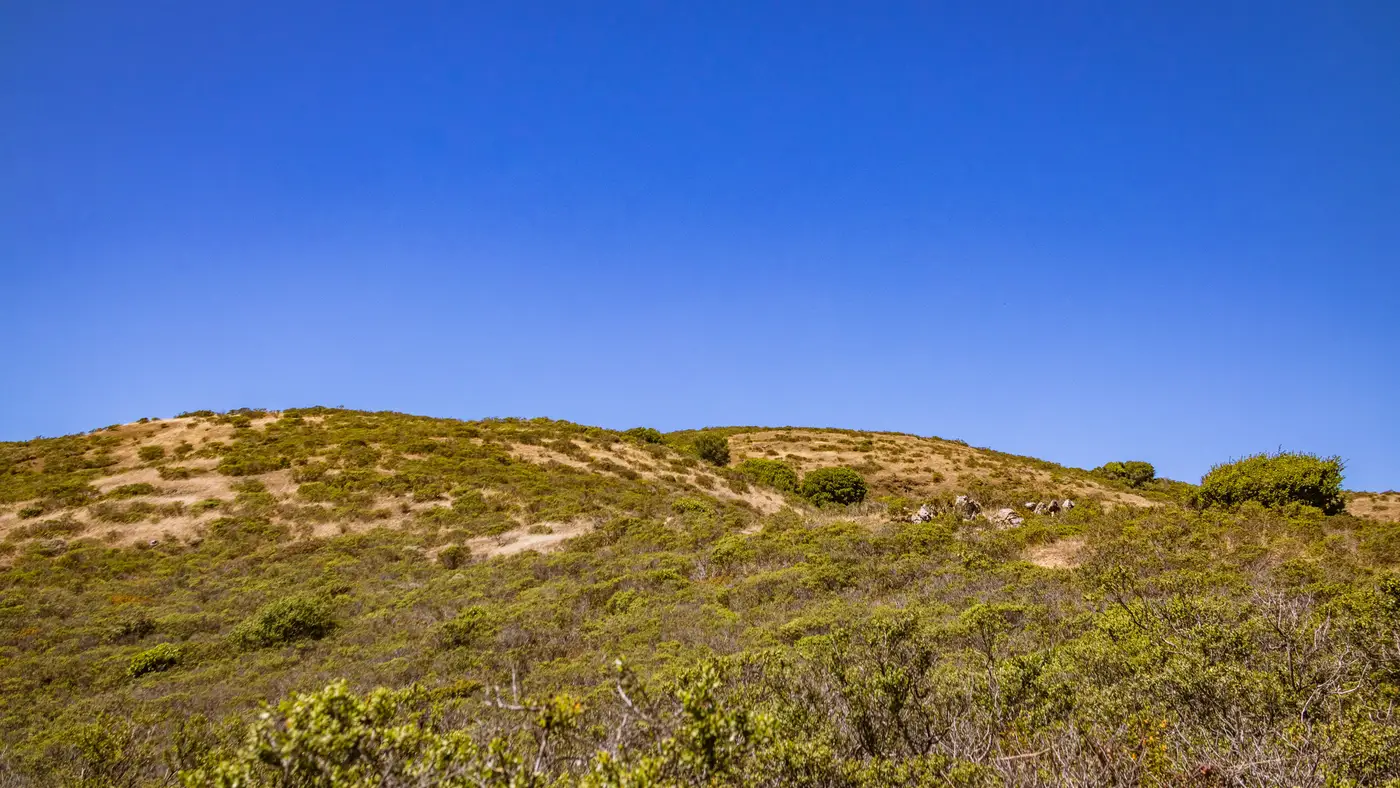
A policyholder in the foothills had their defensible-space inspection done the first week of March. Zone 1 was cut to the fence line, Zone 2 was mowed and limbed up, the oak litter under the canopy had been raked back. Clean pass. The file closed out and the binder went to renewal without a flag.
By the third week of August, the same parcel looked like nobody had touched it since the Carter administration. Ceanothus that had been cut to six inches in March was pushing four feet of new growth out of the root crown. Chamise had done the same thing along the fence line. The grass that was green and low in spring had cured out tan and knee-high, and a few resprouting oaks had put out enough new leader growth to close the gap in the canopy that the March clearance had opened.
None of this is a mystery to anyone who has walked chaparral after a cut. Chamise, ceanothus, manzanita in some varieties, scrub oak: these are obligate resprouters. They don't die back when you cut them, they store carbohydrates in a woody root crown below grade and push new stems the moment conditions allow. A wet winter followed by a few warm weeks is exactly the condition that allows it. The plant doesn't know or care that a fuels crew already came through and the inspection already happened.
What's worth sitting with is the gap between when the measurement gets taken and when the risk actually peaks. Most of the West's defensible-space inspections and most renewal cycles land in spring, because that's when access is easiest and crews are available before the heat comes on. Fire season, for the parcels that matter most, runs through late summer and fall, after a full growing season of resprout and cure. A March score describes a lot that has had almost no chance to regrow. An August fire describes conditions on a lot that has had five months to do exactly that.
This isn't a call to re-inspect every parcel twice a year. Nobody's budget supports that, and most lots don't need it. It's a reason to ask, when a file crosses your desk at binding or renewal, how old the clearance is relative to the season you're underwriting into. A March pass on a lot with heavy resprouting fuel types is a different risk in August than a March pass on a lot that's mostly irrigated landscaping and gravel. The inspection date on the form tells you when someone looked. It doesn't tell you what's standing there now.
That gap is the whole reason an annual image pass matters more than a point-in-time field visit for a book this size. One site visit a year gives you a date stamp. A measurement that can be rerun against current vegetation, zone by zone, against the clearance standard that applies, gives you a score you can trust closer to the season that matters. That's the gap Defensible Space is built to close: a per-address read on canopy density and clearance in each zone, checked against the standard, not just a folder note from whenever the last truck rolled up the driveway.
The lot in question will probably get cut back again before the dry months peak. Most owners do, once a crew tells them it's grown in. But if your renewal already closed on the March score, you underwrote a lot that doesn't exist anymore by the time the wind event hits.
If you're sitting on a book where the spring inspection and the August risk don't match, it might be worth seeing what a current read on those zones would show you.