Blog
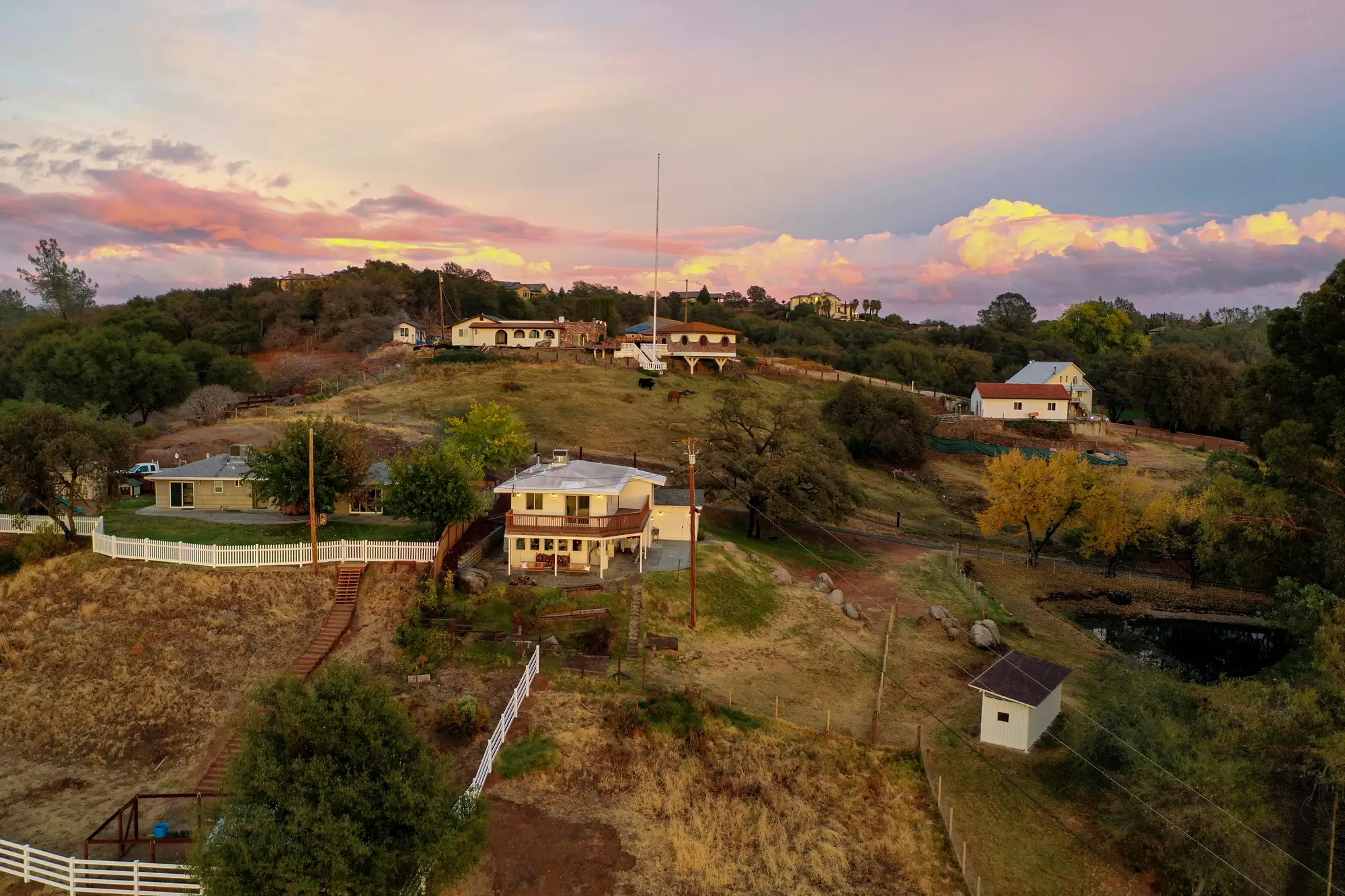 Field notes: the slope that turned a thirty-foot zone into twenty feet of real clearance
A field note on why slope-corrected defensible-space zones read smaller than the ordinance number, and what that means for the clearance you're left with.
 How to tell irrigated landscaping from natural fuel load in satellite imagery
RGB green-up looks the same whether it's a sprinkler or a wet winter. Here's how NIR separates irrigated landscaping from cured natural fuel in zone 1.
 Pile burning vs. chipping: which one actually clears a defensible-space inspection
Pile burning and chipping both get brush off the ground, but only one leaves a zone that reads clean on reinspection. Here's the difference that matters.
 Wildfire mitigation discount vs. defensible-space requirement: what's the difference?
A mitigation discount rewards extra steps. A defensible-space requirement is the floor for eligibility. Here's where underwriting treats them differently.
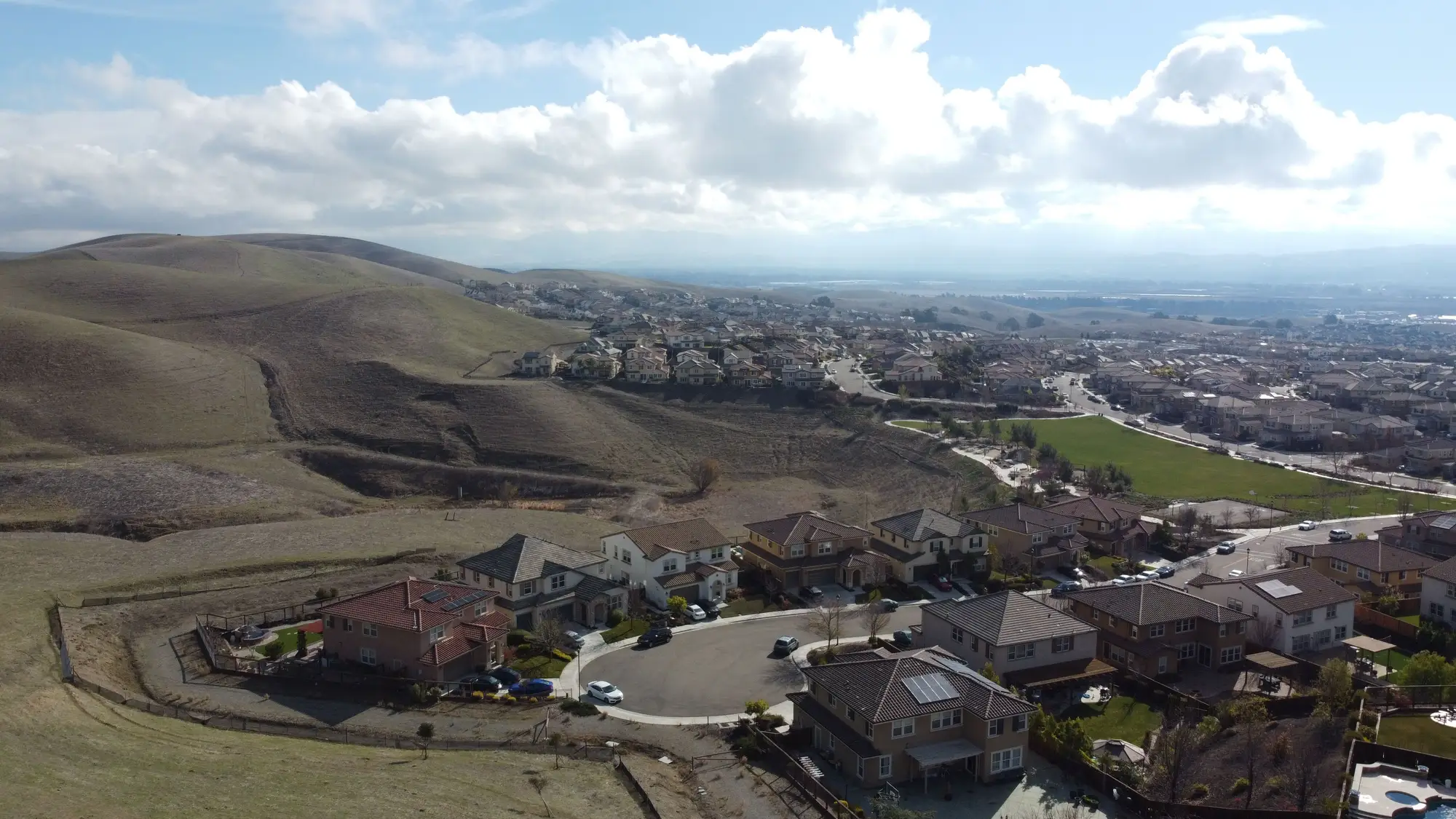 Field notes: the subdivision that passed every inspection and burned anyway
Why a clean defensible-space inspection doesn't guarantee a parcel survives the next wind-driven fire, and what gets missed between walk-throughs.
- Chapter 7A vs. defensible space: what each one checks
Chapter 7A governs building materials; defensible space governs vegetation clearance. Here's how underwriters and regulators should track each separately.
- How to read the wildfire risk score on your renewal notice
What that wildfire risk score on your renewal notice is built from, and which part of it (defensible space) you can still change before the deadline.
 Home ignition zone vs. defensible space: what the terms cover
HIZ and defensible space get used as if they're the same thing. They aren't. Here's the line underwriters and inspectors draw between the two.
- How to measure crown spacing between trees for wildfire risk assessment
A field method for measuring crown spacing against defensible-space zone requirements, dripline to dripline, with slope adjustments.
- What counts as ladder fuel in a defensible-space inspection
A plain-language breakdown of what inspectors flag as ladder fuel, why it matters most in zone 2, and how it affects a defensible-space score.
- How to measure vegetation clearance around a structure from satellite imagery
A working method for measuring zone clearance, canopy setback, and crown spacing from VHR RGB+NIR imagery, plus where a desk review stops.
- NIR vs RGB: what each band tells you about vegetation near a home
RGB photos show where vegetation sits near a structure. Near-infrared shows whether it's live or cured fuel. Here's why defensible-space scoring needs both.
- What counts as a combustible attachment under defensible-space codes
A field guide to combustible attachments, combustible eaves, and attached fence rules for defensible-space compliance scoring.
- Zone 0 vs. Zone 1 vs. Zone 2: what each defensible space ring requires
A breakdown of Zone 0, Zone 1, and Zone 2 defensible space requirements, from ember-resistant clearance to intermediate zone clearance.