How to read the wildfire risk score on your renewal notice
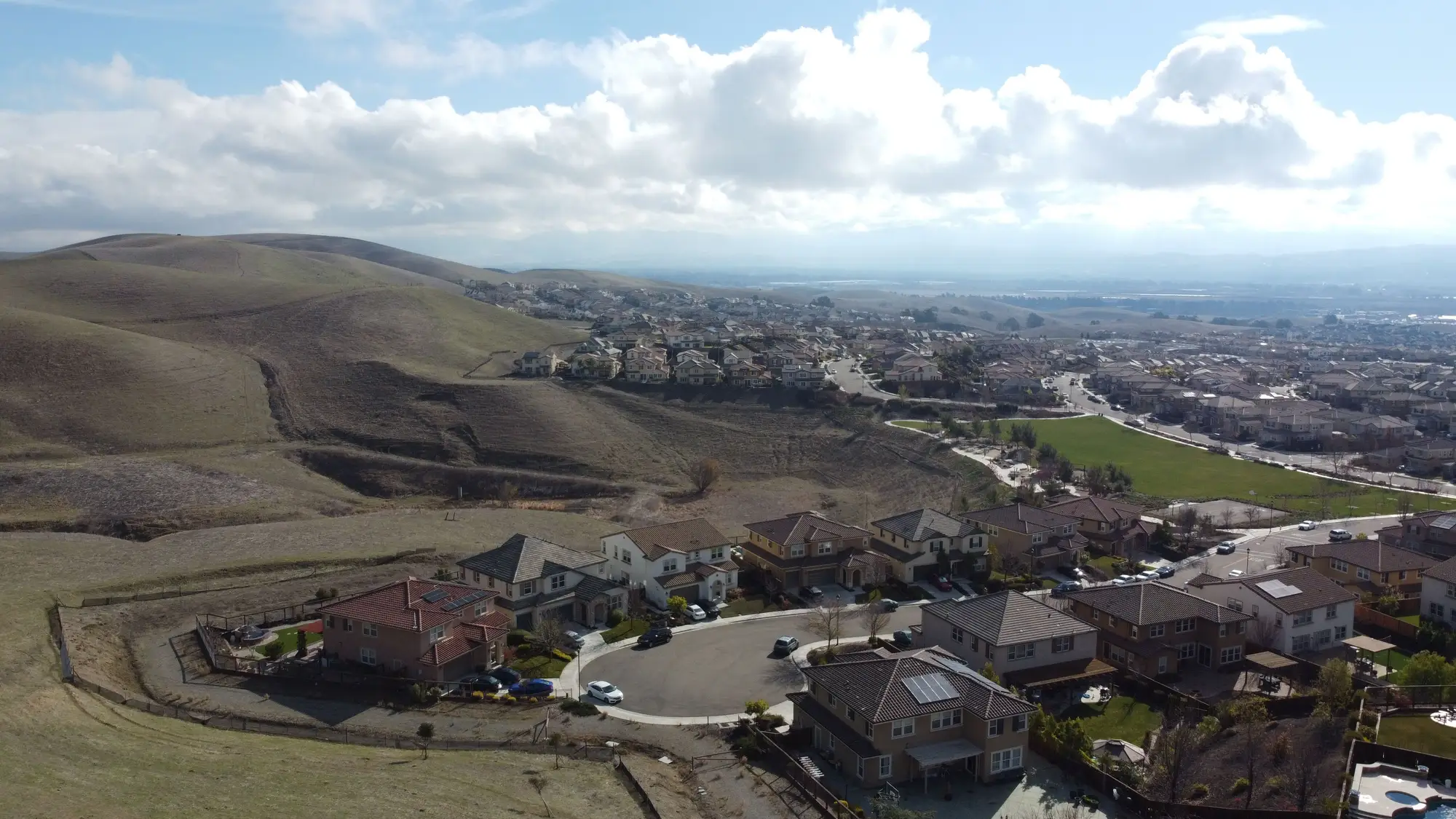
So the renewal notice showed up, and buried in the fine print or a separate insert is a number labeled something like "wildfire risk score," "brush score," or "WRS: 72." No definition, no scale, just a number next to a premium increase or, worse, a line that says your policy won't renew. Here's what that score is usually built from and what to check before you call your agent.
What the score is measuring
Most carriers don't invent their own wildfire models from scratch. They buy or license a risk score from a catastrophe modeler, and that score blends several layers: regional fire history, terrain and slope, prevailing wind patterns, fuel type in the surrounding landscape, and, increasingly, a look at the structure itself and the vegetation right around it. That last piece is the part a homeowner can change. The regional layers, how dry the county's been, how steep the hillside is, aren't something you fix before Tuesday. The vegetation around your house is.
A score in the 60s or 70s out of 100 doesn't say which of those layers is driving the number. A property on a gentle lot with overgrown brush ten feet from the siding and a property on a steep, fire-prone ridge with clean, well-spaced landscaping can land in similar ranges for completely different reasons. The notice rarely breaks that down, which is why two neighbors with near-identical scores can get very different letters back from the same carrier.
Defensible space is the part of the score you control
"Defensible space" isn't marketing language. Fire agencies and most insurance wildfire models use it as a formal term, usually split into zones measured out from the structure: an immediate zone within the first several feet, an intermediate zone further out, and an extended zone beyond that. Each zone has its own rules about how dense the vegetation can be, what's touching the house, and how much clearance sits between shrubs, trees, and roofline.
Insurers increasingly score each zone separately rather than giving the whole parcel one blended number, because a homeowner who cleared the first 5 feet but left a dense manzanita stand 40 feet out still has an exposure the underwriter can see in the imagery even if it's invisible from the street. If your renewal notice mentions "vegetation management" or "defensible space compliance" as a condition of renewal, that's the underwriter pointing at a specific zone, not the whole property.
What to check before the renewal deadline
Pull up your notice and look for three things: whether the score references a specific risk tier or threshold the carrier uses for renewal decisions, whether there's a cited reason tied to "vegetation" or "brush" rather than just terrain, and whether there's a deadline or inspection window attached. A lot of non-renewals aren't final. Many states require the carrier to give you a cure period, usually 30 to 90 days, to clear vegetation and request a re-inspection before the policy lapses. If your notice doesn't mention that window, ask your agent directly whether one applies in your state.
If the letter cites defensible space specifically, clear the zones the letter names, photograph the result, and get that documentation back to the carrier or the state FAIR Plan before the deadline rather than after. Underwriters re-score properties when new evidence comes in. A property that was overgrown in last year's aerial pass and cleared this spring doesn't carry last year's number forever, once someone on the carrier side actually looks again.
That's also the gap a lot of underwriting teams are trying to close on their end: knowing which addresses cleared their zones versus which ones just claim to, without sending someone out to walk every parcel. Defensible Space was built for that side of the letter, scoring each defensible-space zone around a structure from annual VHR imagery so a renewal decision isn't riding on a windshield survey from three years ago.
If you're the one signing off on those renewal letters rather than receiving them, that's worth a look before the next cycle.