Pile burning vs. chipping: which one actually clears a defensible-space inspection
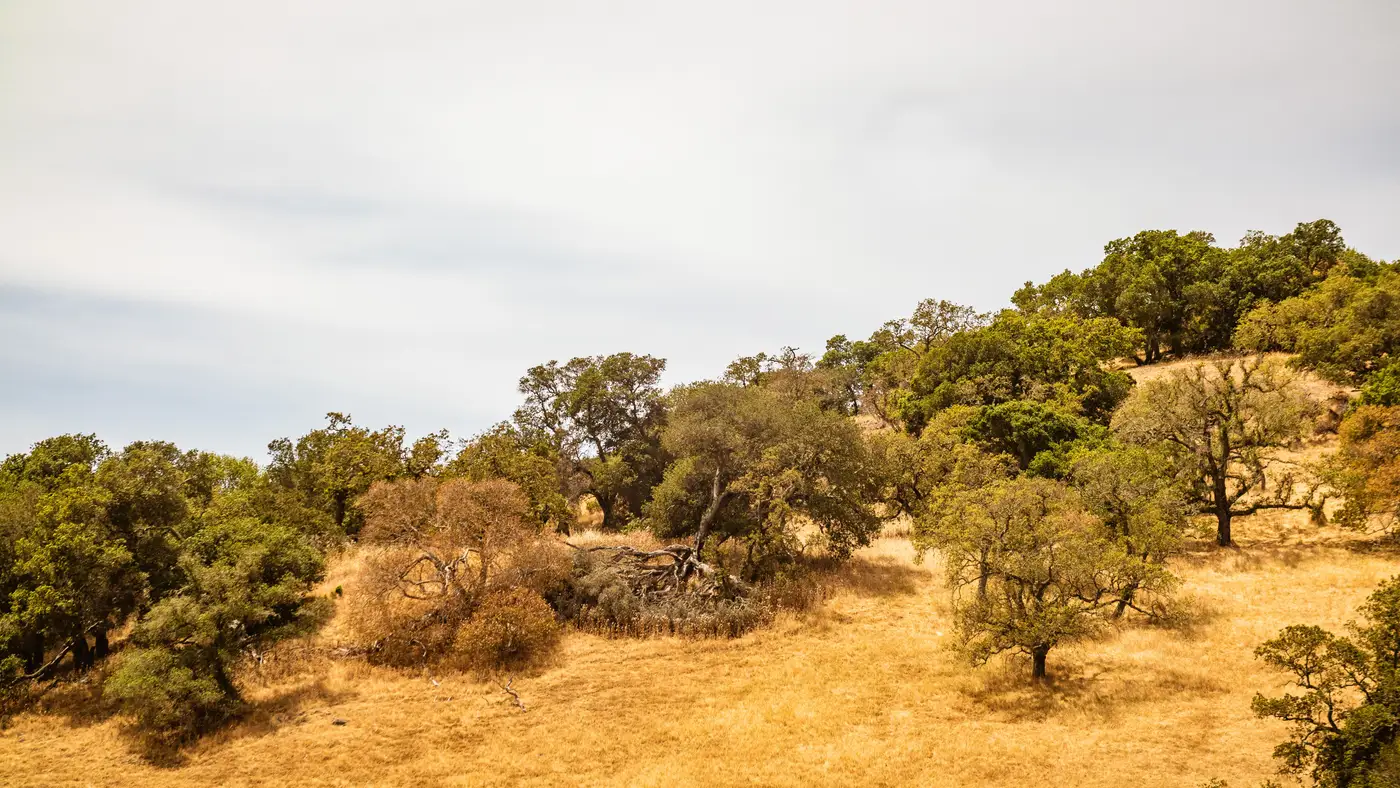
Debris removal after a fuels-reduction pass raises a question that comes up every burn season on every file: do you burn the slash pile where it sits, or run it through a chipper and leave the mulch behind. Both get the material off the ground. Only one of them might get the property through a reinspection without a note on the file. The answer depends on which zone that pile sits in, and what happens to the material once the work is "done."
What "debris removal" means to an inspector, not a contractor
A contractor doing defensible-space work hears "debris removal" and thinks about getting cut material off the property efficiently. An inspector or an underwriter scoring that same job reads it as a vegetation-density question: did the treatment lower the fuel load in that zone, or did it just move the fuel somewhere else. Dragging a pile of slash to the property line and leaving it doesn't remove debris. It relocates it. A chip pile two feet deep spread across Zone 1 is a different problem: the fuel got finer, but it didn't get thinner.
Pile burning: clears the ground, can leave a compliance gap while it waits
Open burning, where local rules still allow it, removes the material completely. Nothing is left to measure once the fire's out. That's the appeal to a property owner who wants the job finished in an afternoon. But most burn permits restrict pile size, tie burning to specific air-quality days, and require clearance around the pile while it's staged, which often means slash sits inside Zone 1 or Zone 2 for days or weeks before anyone lights it. If a renewal drive-by or a reinspection lands in that window, the staged pile itself reads as added density, not as a completed treatment. And in a growing number of jurisdictions, burn permits simply aren't issued during fire season at all, which takes the method off the table regardless of how the compliance math works out.
Chipping: no burn window, but the chips have to spread thin
Chipping doesn't depend on a permit or a weather window, which is most of its appeal for anyone working through a backlog before a policy renews. The tradeoff is where the chips land. Spread thin, a couple of inches deep, a chip layer generally reads as reduced fuel. Piled deep along a fence line or dumped at the edge of Zone 2 because hauling it off-site costs more, it's just continuous fine fuel with more surface area for ignition than the brush it replaced. A chipper crew that clears Zone 0 but leaves a six-foot chip berm at the Zone 1/Zone 2 boundary has moved the problem, not solved it.
So which one satisfies the rule
The rule tracks end state: vegetation type, density, and clearance within each zone once the work is done. Which tool did the cutting doesn't show up in that score. A pile-burned lot with the ash hauled off and no unburned slash dragged to a boundary reads clean. A chipped lot with the mulch spread thin and kept away from structures and fence lines reads clean too. A pile-burned lot with leftover slash stacked at the property line, or a chipped lot with a mulch berm sitting in Zone 1, scores the same on inspection either way, because the zone still shows density.
That's the gap between a signed work order and a score an underwriter or regulator can actually verify from the ground. Defensible Space measures vegetation type, density, and clearance within each defensible-space zone from current imagery, so a staged pile at a zone boundary or a mulch layer that never got spread shows up as what it is, before it shows up as a finding.
If debris disposal is the unresolved line on a file coming up for renewal or reinspection, run the address and see what the zones look like today.